MPH · Programme Design · Instructional Design · RCCE/SBCC · Emergency Preparedness
I help public health organisations turn evidence and technical priorities into practical programmes, effective learning products, and stronger health systems and communities.
Technical support for public health programmes, learning systems, community-centred approaches, and health emergency preparedness. I work across the full programme cycle — from design and development through implementation, evaluation, and documentation.
Turn public health knowledge into structured, practical learning experiences — for health workers, communities, and technical teams.
Explore service →Turn public health priorities and funded commitments into structured, executable programmes.
Explore service →Apply behavioural and social evidence to improve how programmes communicate with and work alongside communities — in routine health and in emergencies.
Explore service →Translate preparedness priorities into practical plans, training systems, and response capacity.
Explore service →Turn programme information into evidence that supports decisions, demonstrates progress, and improves implementation.
Explore service →Turn technical priorities into coherent, well-structured programme proposals and funding documents.
Explore service →Need an experienced technical perspective on a programme, proposal, learning product, or preparedness initiative? I offer short-term technical advisory, independent review, programme diagnosis, and document strengthening — without a full project commitment. Not sure what kind of support you need? Tell me what you're working on.
Exploring practical applications of AI and digital tools for stronger public health systems and emergency preparedness — including predictive analysis, early warning, workforce learning, knowledge management, programme monitoring, and decision support. This is an active area of professional development, not a current standalone service.
Detailed service information below. Return to overview ↑
This is not generic corporate instructional design. It is specifically for public health — health promotion, health workforce development, emergency preparedness, community health, RCCE/SBCC, and technical capacity development.
Structured learning design grounded in public health practice and adult learning principles.
Designed for health workforce training, emergency preparedness, RCCE/SBCC, health promotion, and community health.
Practical digital learning design for self-paced and virtual environments, drawing on experience with WHO digital learning platforms.
Digital learning development covers content design, learning architecture, and functional specification. Platform configuration and LMS engineering are carried out by technical platform specialists.
Public health science, guidance, and evidence evolve. A course that was technically accurate several years ago may now contain outdated content, terminology, or assessment material. This service helps organisations review and update existing learning products rather than automatically building new ones.
Review scope can include: technical and evidence review, learning objective alignment, module sequencing, quiz and assessment review, case study and scenario review, learner instruction review, navigation and user journey, and completion and drop-off analysis.
Engagements can be structured as Review only or Review + Revision, depending on your needs.
Organisations often know what they want to achieve. This service helps structure how to get there — translating priorities into executable programmes with clear logic, activities, and accountability.
Have secured funding but need to translate the approved programme into an executable implementation plan?
This service is relevant for health-security and preparedness investments, including funded programmes supported through mechanisms such as the Pandemic Fund. Technical support does not imply official affiliation with any funding mechanism or guarantee programme outcomes.
Both RCCE and SBCC use behavioural and social evidence to improve how programmes understand, communicate with, and work alongside communities. They are not interchangeable: SBCC supports routine health programming and health promotion; RCCE is applied in health emergency preparedness and response. This service covers both — and the space where they connect.
Social and behaviour change approaches for health promotion, demand generation, and essential health services.
Community protection and resilience approaches integrated into health emergency preparedness and response.
Support extends from strategy through to delivery. This is not only strategy writing.
Translate preparedness priorities into practical plans, training systems, and response capacity. Support ranges from national preparedness planning through workforce development to simulation exercise design.
Support is framed as technical contribution to national and regional preparedness processes, not independent authorship of complete country plans.
Simulation-based learning is a training methodology, not a separate service category.
Support for simulation exercise design, planning, and documentation, including coordination of multidisciplinary technical contributors where specialist expertise beyond my own domain is required.
Where an exercise requires specialist expertise beyond my own domain, I can coordinate multidisciplinary technical contributors and subject-matter experts as part of the delivery team. I do not represent myself as constituting a full IHR simulation team.
Turn programme information into evidence that supports decisions, demonstrates progress, and improves implementation. This covers monitoring system design, technical reporting, and knowledge products — not specialist statistics or data science.
For digital learning programmes, monitoring goes beyond attendance to measure actual learning quality.
Technical proposal development and strengthening for public health, health systems, health security, preparedness, and community health programmes. This is not grant writing. It is technically grounded programme development expressed in a funding document.
Proposal development support does not guarantee funding outcomes. All proposals are developed based on available technical evidence and stated programme priorities.
Technical support for public health organisations across the full programme and policy cycle.
Preparedness, workforce development, RCCE/SBCC, programme design, training, and technical documentation.
Technical consultancy, programme design, instructional design, technical writing, preparedness, and RCCE support.
Programme design, proposals, SBCC/RCCE, MEL, technical reporting, and training development.
Instructional design, research synthesis, technical writing, learning products, and capacity development.
Technical review, programme strategy, learning products, community engagement, and implementation support.
A selection of engagements demonstrating the range of technical support available.
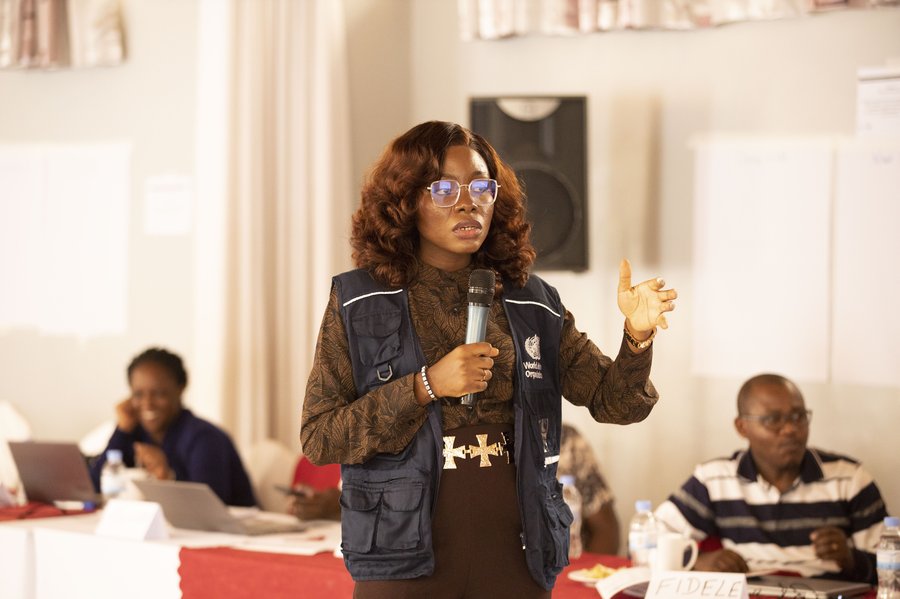
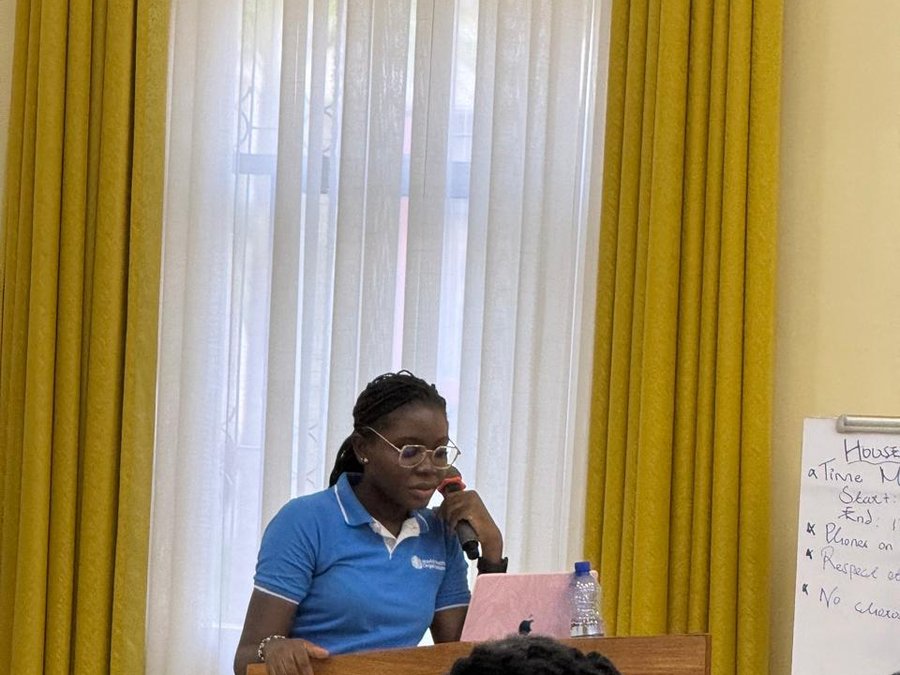
Supported capacity development across the WHO African Region, coordinating regional learning and training activities for Rapid Response Teams and national health personnel.
Emergency Preparedness & Response
Supported course content development, adaptation, quiz and assessment design, course testing, learner feedback analysis, and learning analytics for WHO digital learning programmes.
Instructional Design & Digital Learning
Developed REACH-AFRICA and contributed to regional approaches for community and community health worker engagement in emergency preparedness and response.
RCCE, SBCC & Behavioural Insights
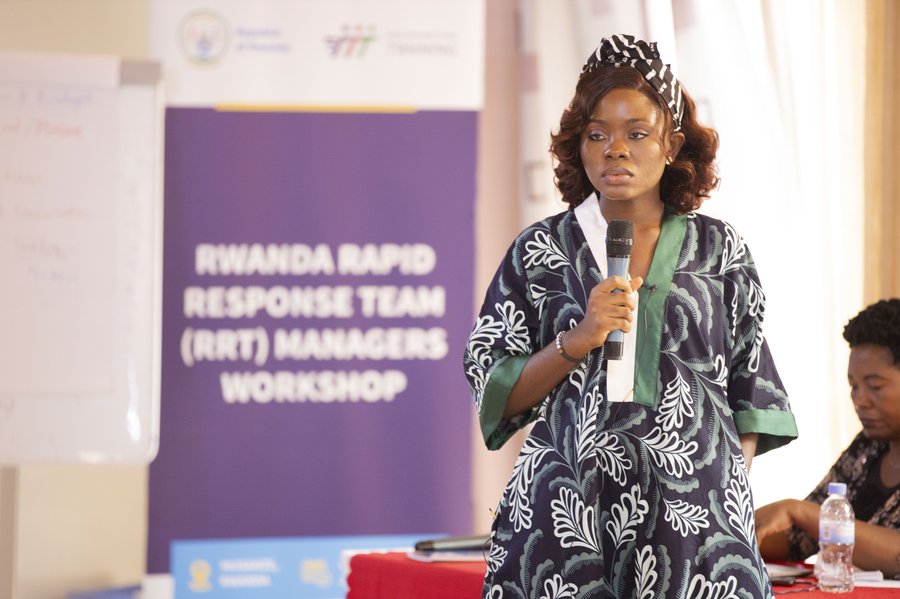
Supported RRT training design, RRT manager capacity development including the Rwanda RRT Managers Workshop, and development of regional training packages.
Emergency Preparedness & Response
Designed and implemented SBCC and demand-generation programming for family planning, including community mobilisation, peer engagement, and engagement with religious and community leaders.
RCCE, SBCC & Behavioural Insights
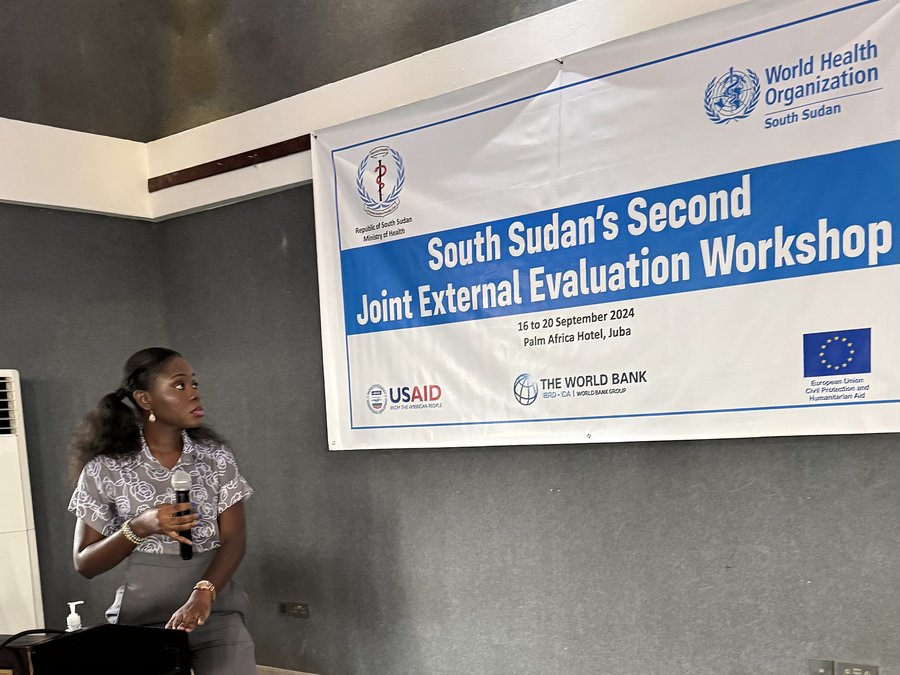
Supported preparedness assessments, technical reviews, simulation-based training design, and readiness activities across the WHO African Region.
Emergency Preparedness & ResponseTechnical work has taken place in person across 16 countries in Africa and Europe, and through remote technical support — webinars, virtual courses, technical coordination, and document development — across the WHO African Region.
In-person engagement
Remote technical support — WHO African Region
Remote technical support includes webinars, virtual courses, virtual conferences, technical coordination, and document development. It does not imply personal lead responsibility for every programme in every country.
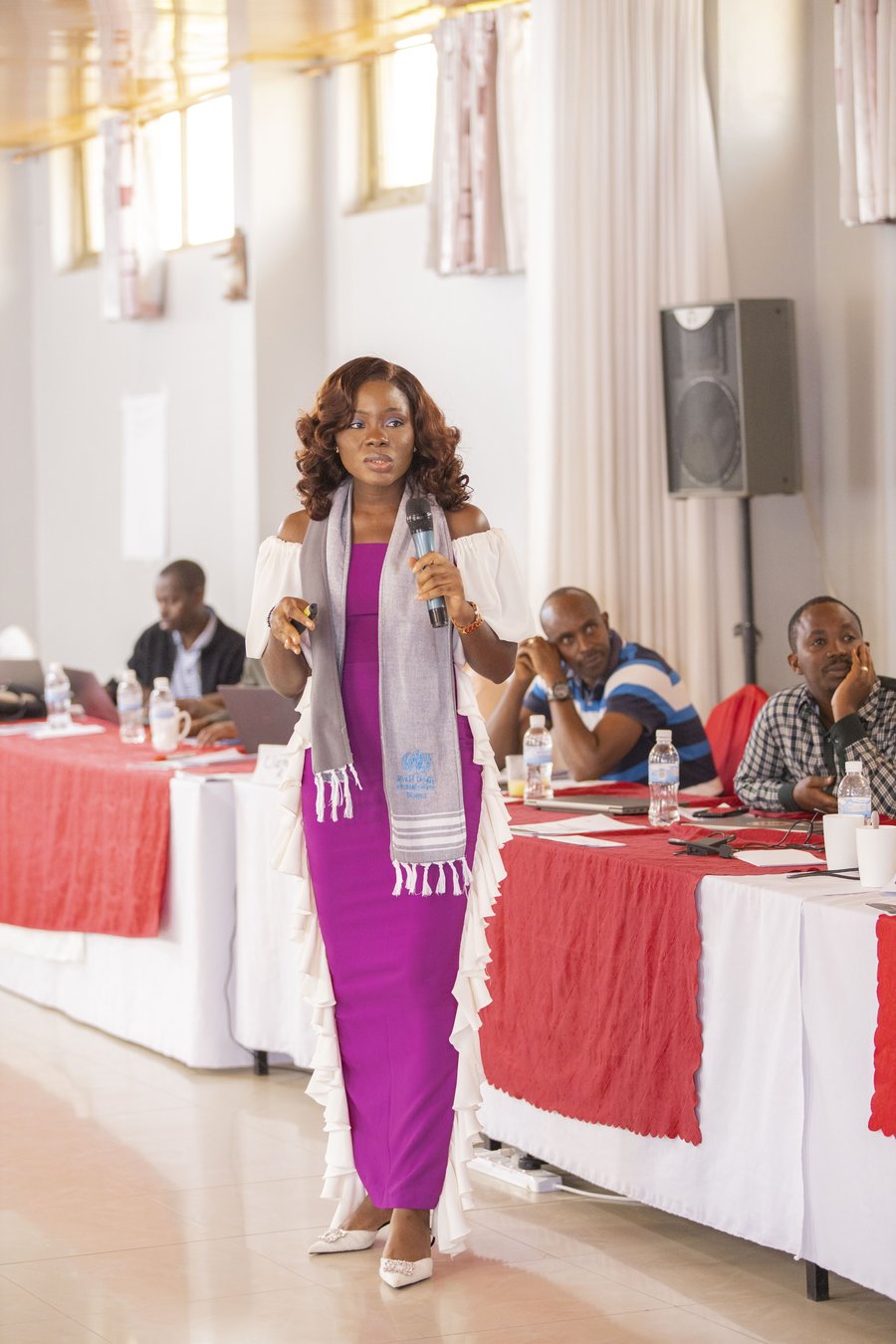
Amarachi Tikal Abianuru is a public health technical consultant with approximately 10 years of experience across public health programmes, including approximately four years within WHO AFRO as a Training Officer in the Emergency Preparedness and Response Cluster.
Her technical background spans health systems and emergency preparedness, workforce capacity development, instructional design for public health learning, RCCE and SBCC, programme design, and evidence and reporting. She has supported international and national public health initiatives across African countries through technical coordination, capacity building, preparedness assessments, operational readiness, digital learning development, and community-centred approaches.
She is currently developing an emerging focus on practical applications of AI and digital innovation within public health systems and emergency preparedness — exploring how these tools can strengthen learning, surveillance, and programme monitoring.
The Evolutionary Journey to a New Normal for Learning and Capacity Building of Healthcare Workers to Prepare and Respond to Health Emergencies Across Africa
Read article →An Assessment of the Progress Made in the Implementation of the Regional Framework for Cholera Prevention and Control in the WHO African Region
Read article →


Have a public health programme, learning product, or preparedness challenge you need help with?
Tell me what you are working on, what you need to achieve, and where you are stuck. Short-term technical assignments, consultancy engagements, and project-based support considered.